



(NEW YORK) -- Merck and Moderna announced Wednesday that a personalized mRNA-based cancer vaccine succeeded in a large, late-stage trial among high-risk patients with melanoma.
The individualized vaccine, when paired with the existing immunotherapy, Keytruda, is the first and only combination regimen that demonstrated success in potentially extending melanoma patients' lifespans.
In Phase 3 trials, the regimen significantly reduced the risk of cancer returning or spreading. The trial was conducted among patients whose high-risk melanoma had been surgically removed.
The combination treatment regimen pairs the personalized vaccine with Merck's Keytruda, which had previously been used to treat the cancer alone.
The treatment showed a 49% reduction of melanoma return after patients underwent surgery and a 59% reduction of metastasization of the cancer to distant organs.
Key questions surrounding regulatory review of the vaccine remain.
The Food and Drug Administration has not yet approved the vaccine. The agency will review the full data once it has been collected and submitted.
While the FDA has already approved other cancer vaccines, this new treatment represents a step forward in the field as it uses mRNA technology and personalized treatment for each patient.
Merck and Moderna plan to present data at an upcoming international medical meeting where they hope to engage regulators on filing submissions for approval of the regimen, the companies said in a joint press release.
Dr. Ahmad Tarhini, an oncologist at the H. Lee Moffitt Cancer Center & Research Institute, told ABC News that he expects the treatment to be approved based on very positive trial results and made available to patients likely by early 2027.
The vaccine uses genetic information from patients' individual tumors to identify and attack the cancer.
"It's what we call individualized neoantigen therapy, where we take the cancer itself, we do genetic sequencing and try to define a unique mutational fingerprint of the cancer itself," Tarhini said.
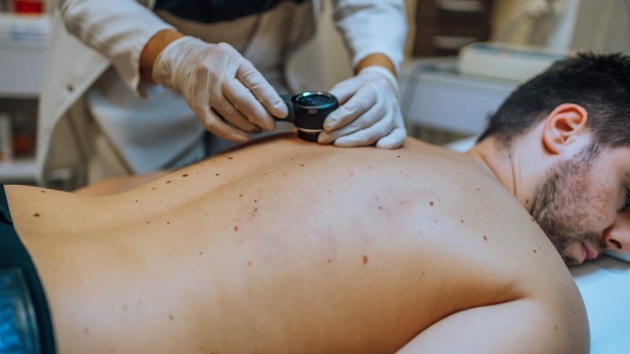
Melanoma is the deadliest form of skin cancer, with about 112,000 new cases expected in 2026, according to the American Cancer Society.
The treatment is considered relatively safe, according to the companies. The most common side effects include fatigue, sore arm and chills.
Treatments utilizing mRNA technologies are being used in trials for other forms of cancer, including that of the bladder, kidney, lungs, stomach and pancreas, according to Tarhini.
"I think it will certainly improve the outcome of our patients," Tarhini said. "We are, you know, excited about this development. My expectation is this will eventually change the standard care of our patients."
Copyright © 2026, ABC Audio. All rights reserved.