


Forgot Password

Not a Member? Sign up here!

News With David Bacon
6:45am - 10:00am
News with David Bacon

ABC - Health News

Louisiana health officials warn about rare amoeba infections after certain tap water use

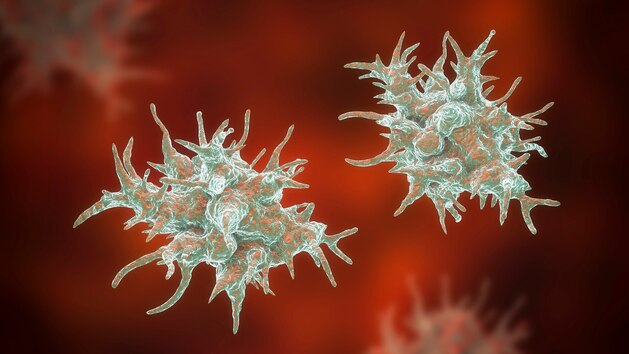
Acanthamoeba castellanii amoeba, computer illustration. (Kateryna Kon/Science Photo Library via Getty Images)

The Louisiana Department of Health (LDH) is warning residents about the risks of using tap water to rinse nasal passages and clean contact lenses after several rare amoeba infections.

Health officials said on Thursday that there have been 10 cases of Acanthamoeba infections in the state since 2024.

Of those cases, eight were cases of Acanthamoeba keratitis, which is an eye infection that can cause permanent vision loss. Seven occurred among people who wore contact lens, and five suffered permanent vision loss, according to the LDH.

Two infections occurred this year, one affecting the sinuses and the other affecting the brain, the latter of which was fatal. The LDH said both patients had weakened immune systems and had used tap water in nasal irrigation devices.

State officials have not released any information on the individual who died, including name, age, sex or place of residence,

"Although these infections are rare, they can have devastating consequences," Theresa Sokol, state epidemiologist, said in a press release. "Using the right water for nasal rinsing, following proper contact lens hygiene, and taking precautions with medical devices can help reduce the risk. These steps are especially important for people with weakened immune systems."

Acanthamoeba is a free-living amoeba, which is a type of one-celled organism that lives in water, soil and dust, according to the Centers for Disease Control and Prevention (CDC).

The agency said it can also be found in freshwater, still water, drinking water systems, humidifiers, swimming pools, hot tubs, heating systems and HVAC systems.

Most people will be exposed to Acanthamoeba during their lifetime and not get sick. However, for some people, it can cause infections of the eyes, sinuses, skin and brain, according to the CDC.

People can get sick from inhaling the amoeba or the organism entering a cut or open wound. It can get into the eyes from using contact lenses.

There are two types of Acanthamoeba infections, the CDC says. The first type, non-keratitis Acanthamoeba infection, is a rare but serious infection that usually occurs in people with weakened immune systems and can affect one or many parts of the body including the brain, skin, nasal cavity and sinuses.

According to a study cited in a 2024 CDC report, non-keratitis Acanthamoeba infections are rare, only affecting between three and 12 people every year in the U.S., but with 82% of cases being fatal.

The second type, Acanthamoeba keratitis, is an eye infection that typically occurs in healthy people and can cause permanent vision loss, according to the CDC. Most Americans get this infection from wearing contact lenses and it usually doesn't spread to other parts of the body.

To lower one's risk, the LDH recommends using distilled, sterile or previously boiled and cooled water for nasal irrigation devices.

The LDH said it recommends that contact lens wearers never use tap water to clean or store the eyewear and instead use contact lens solution as well as proper cleaning and storage methods. The agency also advises removing contact lenses before swimming, showering or using a hot tub.

The department of health added that it has issued a health advisory to Louisiana healthcare providers to increase awareness and early recognition as well as reinforcing prevention recommendations.

Copyright © 2026, ABC Audio. All rights reserved.

FDA proposes rule updating nutrient requirements for infant formula

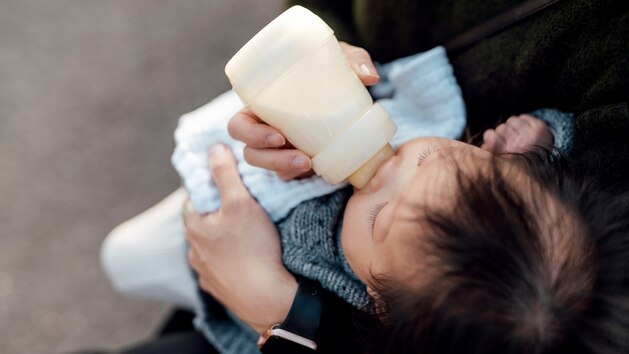
Stock photo of an infant receiving formula. (Oscar Wong/STOCK PHOTO/Getty Images)

The Food and Drug Administration (FDA) announced on Thursday it is proposing a new rule that will update the nutrient requirements for infant formula.

The Department of Health and Human Services (HHS), which oversees the FDA, said in a press release that it would be the first major update to infant formula standards in nearly 30 years. 

The proposed rule would update requirements for vitamin A, vitamin D, iodine and manganese as well as reaffirm existing requirements for chloride, potassium, selenium and sodium, the agencies said.

It would also change the units of measure for two nutrients and request public input on possible requirements for ingredients not currently required in infant formula but sometimes added by manufacturers, they noted.

The ingredients not currently required include arachidonic acid (ARA), docosahexaenoic acid (DHA), and L-carnitine. Some studies have suggested they contribute greatly to infant growth, brain development and health.

The agency said there will be additional phases looking at the remaining required nutrients, potential new nutrient requirements and carbohydrate sources.

The FDA said it will welcome public comment during its phases and, in the future, will issue one final rule to cover all the proposed changes.

The FDA also released new data on chemical contaminant testing for infant formula and found that most samples tested had "low or non-detectable levels of chemical contaminants."

"Parents deserve confidence in every bottle they feed their baby," HHS Secretary Robert F. Kennedy, Jr. said in a statement, in part. "We will hold infant formula manufacturers to rigorous scientific standards and put babies' health first."

Last year, the HHS and FDA announced they would review the nutrition quality of infant formula in the U.S.

The FDA said the review -- part of its "Operation Stork Speed" initiative -- would look at whether current nutrient requirements need to be updated, including whether additional nutrients need to be considered.

Under current law, the HHS secretary reviews the table of required nutrients every four years as appropriate.

The FDA currently specifies 30 nutrients that must be included in infant formulas. There are minimum amounts for all 30 nutrients and maximum amounts for 10 nutrients, according to the agency.

Among the nutrients currently required are protein and fat, as well as vitamins A, D, E, K, folic acid, iron, magnesium and zinc.

Last year, then-FDA commissioner Dr. Marty Makary discussed removing seed oils from infant formulas. Many commercial baby formulas contain seed or vegetable oils due to the essential fatty acids they provide.

"Generally, they're believed to be pro-inflammatory," Makary said of seed oils during an interview on "Fox & Friends" in June 2025. "We don't want babies with general body inflammation. Forty percent of our nation's kids have a chronic condition. Many of those are tied to inflammation and insulin resistance."

Doctors have previously told ABC News that seed oils are not pro-inflammatory and can help lower glucose levels, improve insulin sensitivity, reduce bad (LDL) cholesterol, reduce triglycerides and increase levels of positive (HDL) cholesterol.

ABC News' Katie Kindelan contributed to this report.

Copyright © 2026, ABC Audio. All rights reserved.


Arizona reports 1st animal case of New World screwworm after canine found to be infected

Cochliomyia hominivorax, the New World screwworm fly, is a species of parasitic fly that is well known for the way in which its larvae (maggots) eat the living tissue. (Ramdan Fatoni/Getty Images)

Arizona officials confirmed the state's first case of an animal diagnosed with New World screwworm (NWS).

This is the third state in the U.S. to report an animal case of the flesh-eating parasite. Previously, only Texas and New Mexico had reported infections among animals, according to data from the U.S. Department of Agriculture (USDA). Officials note that the risk to public health is low. 

No human cases have been reported this year. Last year, a Maryland resident who recently returned from travel to El Salvador was found to be infected with NWS, a Department of Health and Human Services spokesperson told ABC News at the time.

The Arizona Department of Agriculture (AZDA) said on Wednesday that the case was identified in a canine in Cochise County, located in southeast Arizona on the border with Mexico.

A local veterinarian examined the animal on Monday and found a wound on the canine's back "heavily infested with maggots" that were consistent with characteristics of NWS, according to AZDA. Testing confirmed the species.

The canine is currently under veterinary care, and AZDA said it is working with the attending veterinarian and the canine's owner to gather additional information.

"We have been preparing for this possibility for a long while and are acting swiftly," Dr. Ryan Wolker, state veterinarian, said in a statement. "Because of the extensive outreach, coordination and surveillance already in place, Arizona producers, veterinarians and pet owners know what to look for and how to report suspected cases. That preparation is allowing us to move quickly to protect animal health in the state."

According to local officials, the USDA is responding by establishing an infested zone, increasing animal surveillance and performing outreach to local partners.

NWS is a species of parasitic fly that feeds on live tissue and can cause myiasis, which is an infestation of larvae, or maggots, according to the Centers for Disease Control and Prevention (CDC).

They can infest many types of animals, including livestock, pets, wildlife and, in rare instances, humans.

The name refers to the way in which maggots screw themselves into the tissue of animals with their sharp mouth hooks, causing extensive damage and often leading to death.

Screwworm was eradicated for decades in the U.S. through a technique in which male screwworm flies are sterilized and then released into the environment to mate with females until the population dies out. However, cases among livestock have migrated up through the southern border over the past year. 

AZDA said it is calling for the release of sterile flies in the area to help suppress the fly population and "prevent the pest from becoming established."

People who travel to outbreak areas, spend time among livestock animals, sleep outdoors and have an open wound are at greater risk of NWS, according to the CDC.

Copyright © 2026, ABC Audio. All rights reserved.


Some wellness peptides will become widely available, HHS says

Getty Images / Stock Image

The Health and Human Service said Wednesday it will temporarily allow compounding pharmacies to make six peptides available by prescription.

The peptides include BPC-157, TB-500, epitalon, MOTS-c, KPV and semax. The substances have been promoted online for anything from tissue repair to better skin. Some also promote longevity, though scientific evidence on these claims remains unclear.  

The HHS announcement cites safety and freedom as reasons for the decision.

"Under President Trump’s leadership, HHS is working to put prevention and patient safety at the center of health care—and that includes confronting the risks of black-market peptides," the federal health agency said in a statement. "The policy does not grant FDA approval or establish clinical safety and effectiveness. It requires patient-specific prescriptions, traceable ingredients, quality testing, and safety reporting to hold compounders accountable and give patients an alternative to unregulated sellers."

An independent FDA panel voted in July to recommend six peptides to the 503A bulks list, which are ingredients that compounding pharmacies can use for specialized or individualized prescriptions.

Peptides are a broad term for a molecular structure. They can be synthesized such as medications like insulin and GLP-1 drugs, which have both been FDA approved for safety and efficacy following clinical trials. There are no published clinical trials that provide evidence that these specific peptides that became available today are effective in humans for any condition. 

Doctors warn that these unregulated products may not be what is advertised and may be contaminated or inaccurately dosed. 

In 2023, the FDA classified 19 peptides as unsafe to be compounded, a process where a specialized pharmacy mixing ingredients that are specific for a patient. HHS Secretary Robert F. Kennedy Jr. has previously claimed that action was illegal.

Copyright © 2026, ABC Audio. All rights reserved.


5 cases of E. coli confirmed in San Luis Obispo, possibly linked to local farm: Health officials

Escherichia Coli (E. Coli.) bacteria under a microscope (Getty Images stock photo)

Health officials in central California are reporting cases of E. coli possibly linked to a local farm.

The County of San Luis Obispo Public Health Department (SLOPHD) said on Monday it has confirmed five cases of Shiga toxin-producing E. coli infection.

The five cases are among two adults and three children, Tom Cuddy, public information officer for SLOPHD, told ABC News. The children are "seriously ill and in ... pediatric intensive care," Cuddy said.

The health department said it is investigating a potential link to Brookshire Farms, known for having a pumpkin patch, corn maze, hayrides and other activities during the fall. Cuddy confirmed that all five patients had visited Brookshire Farms.

Anyone who visited Brookshire Farms between Oct. 16 and Oct. 26 and is experiencing symptoms such as abdominal cramping and bloody diarrhea about three to 10 days post-visit should contact their healthcare provider, the department said.

Cuddy said it is possible that additional cases will be identified as the investigation continues.

"We are working to determine whether other people may have been exposed and encourage anyone who visited Brookshire Farms during the suspected exposure period and develops symptoms to immediately contact their healthcare provider," he said.

The department said the source of the cases is still under investigation, and it is unclear how long the investigation will take.

SLOPHD also encouraged individuals who are contacted by officials to cooperate and answer requests for information to help identify the source of the infections.

The release said Brookshire Farms is cooperating with the health department. SLOPHD said the farm is closing temporarily while health officials complete their investigation.

"We are gathering information about the activities and potential exposures of people who became ill," Cuddy said. "The investigation is ongoing, and we have not yet confirmed the specific source of the infections or the circumstances of exposure."

Brookshire Farms did not immediately return ABC News' request for comment.

E. coli are bacteria found in many places, including in the environment, foods, water and the intestines of people and animals, according to the Centers for Disease Control and Prevention (CDC).

Most E. coli are harmless, but some can make people sick, causing symptoms including abdominal cramping, watery or bloody diarrhea, vomiting and a low-grade fever, the CDC said.

A few strains of E. coli are known as Shiga toxin-producing E. coli, meaning they produce toxins that can cause severe illness. This can lead to a serious condition called hemolytic uremic syndrome, in which small blood vessels become damaged, causing clots to form that can harm the kidneys and, in turn, can lead to sudden kidney failure or death.

The department said children under age 10 are at highest risk of having complications.  Cuddy said the laboratory is evaluating additional information to determine the specific strain behind the cases.

Copyright © 2026, ABC Audio. All rights reserved.


Plant-based butter recalled over yeast, mold and E.coli concerns receives FDA risk classification

Stock image of sliced butter (Getty Images stock photo)

A plant-based butter that was recently recalled has received a risk classification from the Food and Drug Administration (FDA).

More than 1,300 cases of Miyoko's Creamery European Style Salted Plant Milk Butter had been recalled due to concerns over yeast, mold and E. coli, according to an FDA report.

The FDA on Friday classified the recall as a Class II risk level, assigned when use of or exposure to a product "may cause temporary or medically reversible adverse health consequences or where the probability of serious adverse health consequences is remote."

The voluntary recall, which was initiated on Sept. 11, affected 10 states including Connecticut, Florida, Georgia, Iowa, Illinois, Indiana, Maryland, New Jersey, New Hampshire and Wisconsin, according to the FDA report.

It's unclear if anyone fell ill after consuming the affected product. The recall notice did not provide information on returning the product to the place of purchase for a possible refund, nor was such information available on the Miyokos website.

Prosperity Organic Foods, based in Boise, Idaho, which acquired Miyoko's Creamery last year, did not immediately return an ABC News request for comment.

Miyoko's recalled product is sold in eight-ounce packages with a Universal Product Code (UPC) of 857554005773, while secondary packaging sells the eight-ounce units in a six-pack, according to the FDA report.

"Product is perishable and stored refrigerated/frozen," the FDA report states. "The Product is initially packaged in wax paper wrapping and into a [solid bleached sulfate] carton. Secondary packaging is the corrugated case for shipment."

The report says the affected product's SBS carton packaging has a lot number of 07871 and a best-by date of Nov. 5, 2026. On the secondary packaging, there is a lot number of 1007871 and a best-by date of Nov. 5, 2026.

Copyright © 2026, ABC Audio. All rights reserved.

Breast cancer diagnosis brings cousins who never knew each other together

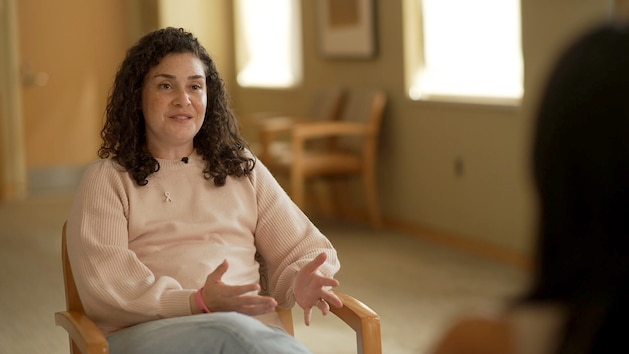
Sarah Sanders speaks with ABC News. (ABC News)

At just 34 years old, New York resident Sarah Sanders thought she was in her prime.

"I was in peak health. I mean, I worked out five days a week, super active, ready and willing to go do everything," Sanders told ABC News.

Although she felt her best, her annual gynecology visit in 2020 proved otherwise when Sanders' doctor found a lump in her breast. Over a dozen scans later came the news she never wanted to hear.

"My diagnosis was triple negative invasive ductal carcinoma. And it's unfortunately one of the more aggressive types of cancer. And at that moment, my whole world just stopped," she said.

Breast cancer in women under 50 is considered rare, but cases in younger women are becoming more common with diagnoses rising at about 1.4% per year, according to the Breast Cancer Research Foundation. In fact, breast cancer is currently the leading cause of cancer deaths in U.S. women aged 20 to 49 years old.  

Even with the support of loved ones, Sanders says she felt extremely alone -- a feeling compounded by the isolation of the COVID-19 pandemic. 

Dr. Shari Goldfarb, Sanders' oncologist at Memorial Sloane Kettering in New York City, told ABC News that this is a common feeling for young cancer patients. She started the "Young Women with Breast Cancer" program at MSK.

"I take care of a lot of women in their 20s and 30s and 40s. Sometimes a cancer diagnosis at a young age can make someone feel very lonely," she said. "So part of what we do with our program is we have monthly networking events where we introduce people to other people going through the same thing at the same time."

Goldfarb says women may want to consider getting a mammogram earlier than the current recommended age of 40. 

"I do think women in their 30s should probably get one baseline mammogram that can be compared to subsequent mammograms," said Dr. Goldfarb. "If something doesn't feel right, get it checked out. You're never too young to get a mammogram or imaging."

As Sanders processed her cancer diagnosis and decided on a treatment plan, she faced another difficult discovery. She tested positive for the BRCA1 gene mutation.

BRCA1 and BRCA2 are tumor-suppressor genes that help repair DNA, decreasing the risk of developing cancer. Women who have the genetic mutation have a higher chance of developing breast, ovarian and pancreatic cancers. Cancer survivors like Sanders also have a higher chance of recurrence.

Sarah discovered that she inherited the gene from her dad's side of the family. Incidentally, her younger cousin and a stranger at the time, Mable Sanders, had reached out to connect.

"She reached out to me two months prior to me being diagnosed saying, 'Hi, I'm your cousin,'" she said. "And I'm like, 'Who are you?'"

Just weeks after the two had connected for the first time in their lives, Sanders shared the news of her genetic predisposition and that there was a 50% chance Mable Sanders and her sister, Norely Sanders, also had the BRCA1 gene mutation.

Following Dr. Goldfarb's guidance, Sanders encouraged her cousins to consider genetic testing.

"I told them, this is what it is. Here are choices you have if you wanna get tested. And turns out, not only did both of them get tested, but they both tested positive for the BRCA 1 genetic gene," Sanders said.

She noted how breast cancer is "extraordinarily tough," and being diagnosed in younger people more often.

"To know my cousins in particular, who I've grown extraordinarily close to, have a predisposition to it, it's hard not to cry sometimes," she said.

Mable and Norely Sanders, who were all the way on the other side of the country in Denver, were caught by surprise.

"I had no idea what this gene was before her diagnosis and before she told me. So this was all news to me," Mable Sanders told ABC News. "I remember thinking that it's so bizarre that there is a gene mutation that can cause cancer."

Norely Sanders remembered feeling scared.

"I never thought that it would affect me because I think being someone in your mid-20s, truthfully you just kind of don't think about those things," she said. "Initially my mind just kind of did the thing it does and it spiraled and just thinking of, you know, worst-case scenario."

Thanks to their cousin, Mable and Norely Sanders are able to take action.

For Norely Sanders, in her early 30s, that means annual breast exams, appointments with her genetic counselor and mammograms. Mable Sanders, 27, plans to get a prophylactic mastectomy -- a preventative operation to remove healthy breasts to greatly lower the risk of developing breast cancer.

"I've talked to my doctors, I have done a lot of research," she said. "So knowing that that's an option, it just felt like a no-brainer for me to lower my risk as much as I possibly can."

Both sisters are hoping to become mothers and plan on doing IVF to reduce the risk of passing the gene mutation to their future children. Using pre-implantation genetic testing, doctors can identify mutations and implant only healthy embryos. This reduces the likelihood of BRCA mutations being passed on.

Now, Sarah, Mable and Norely Sanders are forever bonded by their experience.

"I get chills thinking about I might have gone the rest of my life without knowing," Mable Sanders said. "She's definitely someone that I consider a guardian angel in my life."

"My heart is so full knowing that I have two people that now have the opportunity to decide how they want to progress," Sarah Sanders said. "Knowledge is power, and [being] proactive about your health is so key."

She recently reached five years of being cancer-free.

Copyright © 2026, ABC Audio. All rights reserved.

CDC's deputy director resigns after being hired in April

Close up of entrance sign for Centers for Disease Control and Prevention. (Getty Images stock image)

Dr. Jennifer Shuford, the Centers for Disease Control and Prevention's deputy director, has resigned, the agency said in a statement on Tuesday.

Shuford, who also served as chief medical officer, was hired for the role in April. Her last day will be Nov. 12, the CDC said.

"I am leaving to spend more time with my family," Shuford said in a statement. "I am so thankful to President Trump and Secretary Kennedy for giving me the opportunity to help lead CDC. It has been an amazing experience and I will be forever grateful for it."

In a separate statement, Dr. Erica Schwartz, the CDC's director, thanked Shuford for her time at the federal health agency.

"I am deeply grateful for Dr. Shuford's outstanding leadership and commitment to CDC and public health, especially as she has navigated an exceptionally demanding, high-profile and constantly evolving environment over the past several months," Schwartz said.

In the interim, Satish Pillai will serve as acting CDC chief medical officer and deputy director.

Shuford is board-certified in internal medicine and infectious diseases and received her medical degree from the University of Texas Southwestern Medical School, according to her bio on the CDC website.

Before joining the CDC, Shuford served as Texas' chief state epidemiologist, later becoming commissioner of the Texas Department of State Health Services.

"In this role, Dr. Shuford oversaw statewide public health programs, including infectious disease response, health promotion, epidemiology and emergency preparedness," her bio reads.

Shuford was appointed in April with two others at the same time Schwartz was nominated by President Donald Trump to serve as the next CDC director.

"These Highly Respected Doctors of Medicine have the knowledge, experience, and TOP degrees to restore the GOLD STANDARD OF SCIENCE at the CDC," Trump wrote in a social media post at the time.

Shuford has been a vocal supporter of vaccination, saying areas with declining measles vaccination rates are at an increased risk of outbreaks.

In February 2025, when a measles outbreak was spreading in western Texas, Health Secretary Robert F. Kennedy Jr. said measles outbreaks were "not unusual," adding that they happen every year.

But in an appearance on CNN the same month, Shuford described Texas' measles outbreak as "unusual" for the state.

"We haven't had this sort of an outbreak since the early 1990s and it's seriously impacting the population in that region," she said. "This community has had some falling vaccine coverage rates in recent years and so we're trying to correct that, trying to get vaccines out there to protect our population and to try to get rid of this measles outbreak that's affecting them right now."

Additionally, during the COVID-19 pandemic, while still in her role as chief state epidemiologist, Shuford appeared in a video posted on Facebook explaining how COVID-19 vaccines work, including efficacy and side effects.
 

Copyright © 2026, ABC Audio. All rights reserved.


Drug-resistant germs are 'growing threat' to US, causing more than 50,000 deaths annually: CDC

Medical illustration depicting Clostridioides difficile bacteria, formerly known as Clostridium difficile, 2019. (Smith Collection/Gado via Getty Images)

Antibiotics have long been used to treat common bacterial infections from strep throat to pneumonia.

But some germs develop the ability to survive the medications designed to kill them, and they're an increasing risk to public health, the Centers for Disease Control and Prevention (CDC) warned.

In a report published Tuesday, the federal health agency said drug-resistant germs are a "growing threat to Americans."

Drug-resistant germs, including bacteria and fungi, cause an estimated 9.7 million infections and 50,800 deaths each year in the U.S., the CDC's report said.

"Antimicrobial resistance threatens modern medicine and puts millions of Americans at risk every year," Dr. Erica Schwartz, director of the CDC, said in a press release on Tuesday. 

Which germs pose the greatest risk

The CDC classifies drug-resistant germs into three threat levels: "urgent," "serious" and "concerning."

Four germs fall into the "urgent" category, the agency's highest level of concern. 

The first is Candida auris, a fungus that can cause anything from mild skin infections to severe, and potentially life-threatening, bloodstream infections. 

Reported C. auris cases jumped more than 50% from 2022 to 2023, according to the CDC.

The fungus primarily affects patients in hospitals and nursing homes who are already seriously ill, and can spread through medical equipment such as breathing tubes or catheters. 

People can also carry the fungus on their skin without getting sick and spread it to surfaces and objects around them.

The second is Neisseria gonorrhoeae, a sexually transmitted infection known as gonorrhea. 

The CDC estimates there were about 787,000 drug-resistant gonorrhea infections in 2023. When left untreated, gonorrhea can lead to pelvic inflammatory disease and infertility.

"And now we're at the point where our probably broadest antibiotic class -- called carbapenems -- some of the bacteria are resistant to," Daily said. 

The remaining two urgent threats are carbapenem-resistant Enterobacterales and carbapenem-resistant Acinetobacter, which can cause severe infections and are resistant to some of the strongest antibiotics available.  

Carbapenem-resistant Enterobacterales are gut bacteria, including E. coli, that caused an estimated 14,878 infections in hospitalized patients and 1,252 deaths in 2023.

For patients, this resistance can mean fewer effective treatment options, longer hospital stays and an increased risk of life-threatening complications.

Infections the CDC is monitoring 

Drug-resistant Neisseria meningitidis, also known as meningococcus, has been newly classified as a serious threat due to its ability to cause meningitis and bloodstream infections.

Unlike many of the germs listed in the CDC's report, which mostly spread in hospitals and nursing homes, meningococcus spreads in everyday settings through close contact, such as kissing, sharing drinks or living in close quarters like college dorms. 

The CDC says this reflects a rise in drug-resistant infections in the community.

The CDC is also tracking six germs on a watch list, and their full impact isn't yet known. One example is drug-resistant ringworm, a common fungal skin infection that is becoming harder to treat with standard fungal medications. 

The CDC says misusing over-the-counter antifungal creams and using steroid-antifungal cream combinations may contribute to resistance. 

Daily explained that as bacteria develop resistance, scientists must continue finding ways to make antibiotics effective.

"Since the '40s, it's been this arms race, starting with penicillin," Daily said. "Some bacteria become resistant. Then we modify the antibiotic, so then it can kill the pathogen."

Why drug resistance matters 

Antimicrobial resistance occurs when bacteria and fungi learn to outsmart the drugs used to treat them, leaving healthcare providers with fewer treatment options. 

"The bacteria are exposed to an antibiotic; they randomly develop mutations. Some are lucky enough to have a mutation that allows them to withstand that antibiotic," Daily said.

Patients with weakened immune systems or serious underlying conditions, as well as those with medical devices, such as catheters, face especially high risks. 

"People go to the hospital to get better, and sometimes they may acquire from the hospital environment a more resistant bacteria than they came in with," Daily said.

Infections commonly picked up in hospitals and other healthcare settings accounted for nearly $12 billion in healthcare costs in 2023, the report found. 

Prevention efforts work 

C. diff, a gut infection that causes severe diarrhea and is often triggered by antibiotic use, was downgraded from an urgent threat to a serious threat, the report said.

Infection rates fell 21% between 2018 and 2020 and rates have remained stable since.

Still, C. diff caused an estimated 412,504 infections in 2023, and adults aged 65 and older are infected at 4.5 to five times the rate of younger people. 

"This data shows both the progress we've made and the significant work that remains. High-quality data help drive action, and CDC is committed to providing easily accessible information to help protect people from drug-resistant infections," Schwartz said in the press release. 

The CDC says the drop in C. diff shows that infection prevention and more careful antibiotic use can make a difference.

What people can do to protect themselves 

Antibiotics should only be used when prescribed by a healthcare professional. They do not work against viruses including those that cause the cold and flu, according to the CDC.

Washing hands regularly, staying up to date on recommended vaccinations and taking steps to prevent the spread of infections can also help.

"I always say to my patients, feel free to ask questions if you're sick or you have an infection in your family," Daily said. "Absolutely feel free to talk to the doctor."

Dr. Tara Howard is a fourth-year dermatology resident and a member of the ABC News Medical Unit.

Copyright © 2026, ABC Audio. All rights reserved.


Abortion is on the ballot in Missouri again. Here's what to know about Amendment 3

ABC News

Just two years after Missouri voters approved an amendment enshrining the right to reproductive freedom in the state constitution, abortion, which was also protected by the measure, is on the ballot there again.

On Nov. 3, Missouri residents will be voting on Amendment 3, only this time it would prohibit abortion, except in cases of medical emergencies, fetal anomalies, rape or incest. If the abortion is due to rape or incest, the procedure must occur no later than 12 weeks' gestation.

Since Roe v. Wade was overruled by the Supreme Court in June 2022, 13 states have ceased nearly all abortion services while four states have a six-week ban on books, according to an ABC News tally.

Following the Supreme Court decision, Missouri enacted a trigger ban, prohibiting most abortions in the state.

However, in November 2024, Missouri became the first state to overturn a near-total abortion ban through a direct vote of the people by passing Amendment 3 -- the same name as the upcoming ballot measure -- with about 52% of the vote.

"Missourians have access to abortion care because the people made it possible," Mallory Schwarz, executive director of the nonprofit Abortion Action Missouri, told ABC News. "But not even months after our 2024 vote, politicians started plotting to overturn the will of the people and now, in a couple of weeks, voters will have to vote again to protect the right to abortion that we enshrined in the constitution previously."

What is Amendment 3?

Amendment 3 would repeal the 2024 amendment that granted reproductive freedom, including abortion through fetal viability, which is typically between 24 and 26 weeks' gestation.

If approved, the amendment would also permit state lawmakers to enact legislation to regulate abortions and access to care.

Examples include laws requiring physicians providing abortion care to have admitting privileges at a nearby hospital and licensing requirements for abortion facilities.

State Sen. Adam Schnelting, who sponsored the proposal that led to Amendment 3 being placed on this year's ballot, told ABC News that passing the amendment is "critical to protecting women and children and providing Missourians with a measure that is more in line with their values than the one narrowly passed two years ago."

The amendment would also prohibit gender-affirming care procedures, cross-sex hormones or puberty-blocking drugs for minors. However, gender-affirming surgeries and medical treatments for minors are already illegal in Missouri under statutory law.

Opponents of the amendment have argued that including language about gender-affirming care is an attempt to mask the parts of the amendment that would limit abortion care.

"What politicians are trying to do is mislead voters and overturn the will of the people and ban abortion again," Tori Schafer, director of the ACLU of Missouri, told ABC News. "And they've shown they're willing to resort to all kinds of tricky tactics in order to do that."

Schafer said organizations supporting Amendment 3 don't use the word "abortion" in their ads campaigning for the amendment to pass "because they know, like we know, that abortion care is popular in Missouri."

Schnelting said the statutory ban on gender-affirming procedures and treatment for minors expires in 2027 and including that language in Amendment 3 would ensure such a ban is permanent.

Possible consequences if Amendment 3 is passed

After the trigger ban was passed in Missouri in 2022, the state's last abortion clinic in St. Louis was forced to stop providing such care.

In 2023 alone, more than 12,000 Missouri women traveled to neighboring states, including Illinois and Kansas, to receive care, according to the Guttmacher Institute, a reproductive rights organization.

Additionally, in 2025, more than 3,000 Missourians obtained medication abortions through telehealth from out-of-state clinicians, nearly four times higher than two years prior, the Guttmacher Institute found.

Some abortion providers told local news outlets they were seeing patients develop complications while waiting for treatment and some patients said they'd had to flee Missouri to seek abortion care for conditions including fetal anomalies.

"Missourians have lived under an abortion ban in the past," Schwarz said. "We've seen people turned away from the emergency room when they needed emergency abortion care. We've seen women forced to wait until their complication was serious enough that they were able to access care or have to flee the state to get care in another state that they should be able to get in their own community."

Schwarz said Abortion Action Missouri's canvassers have had conversations with Missourians against Amendment 3 from all walks of life.

One such conversation was with a Catholic voter who said they did not support abortion rights but also did not support the new amendment.

"They said, 'I'm personally pro-life, but we already voted on this and I'm voting
"no" this time because politicians should be listening to the people,'" Schwarz said. "'Politicians shouldn't get to overturn any vote just because they don't like it.' And so, we are hearing that [at] the doors every day, every weekend."

Schnelting said the response to Amendment 3 from his constituents has been largely positive and called the claims that it is overturning the will of the people a "specious argument."

Anti-abortion rights groups have praised the new Amendment 3, arguing that the 2024 vote was extreme and goes beyond what Missourians have historically supported.

"Despite what voters were sold before Election Day, as soon as [2024's] Amendment 3 passed, the abortion lobby brought litigation to perform late-term abortions, end parental consent and remove every safety regulation on their industry," Marjorie Dannenfelser, president of Susan B. Anthony Pro-Life America, said in a statement last year. "Amendment 3 is far too extreme and dangerous."

Missouri is not the only state with abortion on the ballot on Nov. 3. Voters in three states -- Idaho, Nevada and Virginia -- will consider measures to protect abortion rights and, in some cases, reproductive freedom.

Schafer, from ACLU of Missouri, said other states can learn from Missouri about how access to abortion can be at risk even after voters vote to protect care.

"While this fight is really important to folks like me who live in Missouri and have to suffer the consequences of our legislature ignoring the will of the people, we know that this campaign will also impact folks all across the country," Schafer said. "We have friends in other states who have passed their own versions of the right to reproductive freedom, and we don't want this attempt by our legislature to embolden this opposition strategy across the country."

She went on, "So we know that a lot of eyes are on Missouri, and Missourians deeply believe in the right to make their own decisions free from political interference."

Copyright © 2026, ABC Audio. All rights reserved.

Changes to hepatitis B vaccine recommendations could leave millions of children vulnerable: Study

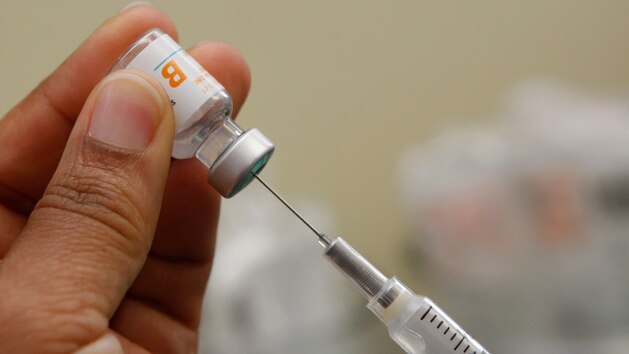
Hepatitis B being ready to be administered at the city's immunization and travel clinic in San Francisco, Calif., September 28, 2009. (Liz Hafalia/The San Francisco Chronicle via Getty Images)

Changes to federal hepatitis B vaccination recommendations could lead to more childhood infections and leave up to 1.8 million young adults vulnerable to the virus, a new study finds.

It comes as health experts raise concerns about the potential long-term impact of changing childhood vaccination recommendations.

In late 2025, the Centers for Disease Control and Prevention (CDC) removed the universal hepatitis B vaccination recommendation for newborns. That decision, as well as other vaccine changes by the CDC under the Trump administration, have since been placed on pause following legal action. 

"These findings show why policy makers should re-implement recommendations for universal hepatitis B vaccination at birth," said corresponding author Dr. Amir Mohareb, an infectious disease physician and clinician researcher at the Center for Global Health at Mass General Brigham, in a press release Monday.

What is hepatitis B?

Hepatitis B is a viral infection that attacks the liver and can cause either a short-term illness or a lifelong infection, according to the CDC. 

Many people have no symptoms while others may experience nausea, abdominal pain or yellowing of the skin and eyes, known as jaundice. 

Hepatitis B spreads through contact with infected blood and other bodily fluids. 

Infants are particularly vulnerable to hepatitis B. According to the American Academy of Pediatrics, approximately 90% of babies infected around the time of birth develop chronic hepatitis B.

Chronic hepatitis B can lead to serious complications, including liver damage. 

"The hepatitis B vaccine can prevent potentially life-threatening chronic liver disease, which can lead to liver cancer," Dr. Alok Patel, clinical associate professor of pediatrics at Stanford, told ABC News. "Since we started vaccinating at birth in 1991, infant infections have dropped by a reported 99%."

Thousands at risk without routine vaccination

To understand how changes to hepatitis B vaccine recommendations could affect children, researchers from Mass General Brigham used a computer model to follow a hypothetical group of 3.6 million babies born in the United States in 2026 through their first 20 years of life.

The researchers compared three approaches to hepatitis B vaccination for babies born to moms who test negative for hepatitis B in pregnancy.

The first followed the longstanding recommendation that all newborns receive their first hepatitis B vaccine dose shortly after birth. The second delayed the first dose until babies were at least 2 months old.

The third used a strategy called "shared clinical decision-making," meaning parents and their child's healthcare provider would discuss whether and when to vaccinate rather than routinely recommending the vaccine at birth for every baby.

The study, published in the Annals of Internal Medicine, estimated that delaying vaccination until 2 months could increase chronic hepatitis B infections by 19%, while the shared decision-making approach could increase infections by 83% compared with routinely vaccinating all newborns at birth, in 20 years.

The model also predicted that approximately 232,000 children could remain vulnerable to hepatitis B infection when they reached age 20 under the universal birth dose approach. That number increased to 474,000 when vaccination was delayed and 1.8 million under the shared decision-making approach.

Importantly, these figures represent children who could still become infected because they lack protection against hepatitis B, not children who have already developed the disease.

"We found that, even under the most optimistic conditions, the new recommendations could increase childhood hepatitis B infections by more than 80% and would result in more than half of children being susceptible to hepatitis B infection as they enter adulthood," Mohareb said. 

If high-risk babies who are born to mothers who test positive for the virus or whose hepatitis B status is unknown were less likely to get a hepatitis B vaccine, the model predicted perinatal infections could double or triple in 20 years compared to keeping the universal vaccine recommendation in place.

Researchers emphasized that these findings are estimates from a computer simulation, not actual infections. 

Why hepatitis B vaccination at birth matters

In December 2025, the CDC changed its longstanding recommendation that all newborns receive the hepatitis B vaccine at birth.

Under the federal guidance at the time, parents of babies born to mothers who test negative for hepatitis B can decide with their health care provider whether to vaccinate at birth or begin the series later.

Babies born to mothers who have hepatitis B or whose infection status is unknown should still receive the vaccine within 12 hours of birth, the guidance stated.

In March, a federal judge in Massachusetts judge stayed all votes taken by the members of the CDC's vaccine advisory committee, which included the removal of the universal recommendation for the hepatitis B shot at birth.

Currently, the CDC's website states that all infants should receive the hepatitis B vaccine.

In response to a request for comment, the Department of Health and Human Services pointed ABC News to a Tuesday post on X from Secretary Robert F. Kennedy Jr.

"I reject the idea that respecting parents’ choices means abandoning children’s health," he wrote in part. "Under my leadership, HHS puts informed consent, individual medical circumstances, and conversations between parents and doctors at the center of health decisions."

The American Academy of Pediatrics continues to recommend that newborns receive their first hepatitis B vaccine dose within 24 hours of birth followed by additional doses to complete the series.

Some physicians worry that the federal changes created confusion among parents and lead to fewer children receiving the vaccine.

"When a recommendation shifts from 'every baby' to 'Let's discuss it,' a lot of families hear 'optional' or 'Maybe it was never that important,'" Patel said. 

Doctors and public health specialists say the vaccine is important even for babies whose mothers test negative for hepatitis B because children may encounter the virus through infected caregivers.

Physicians also warn that delaying the first dose could make it more difficult for some children to complete the recommended vaccine series.

"When parents fall off schedule or we lose them to follow-up, vaccination rates are far more likely to decline," Patel said.

Another concern is that hepatitis B can remain undetected for years, with serious complications sometimes developing decades after the initial infection.

"[If] even a small percentage of new babies go without receiving the hepatitis B vaccine ... we could potentially have many more preventable cases of chronic liver disease and liver cancer," Patel said. 

"Even a small increase in childhood [hepatitis B virus] infections could have large clinical, public health and economic effects," Mohareb added.

Betsy-Ann Assoumou, MD, MBA, is a family medicine resident at Cheshire Medical Center/Dartmouth Health in Keene, New Hampshire, and a member of the ABC News Medical Unit.

Copyright © 2026, ABC Audio. All rights reserved.

Nigeria confirms its 1st Ebola case as Kenya reports 9th infection: Health officials

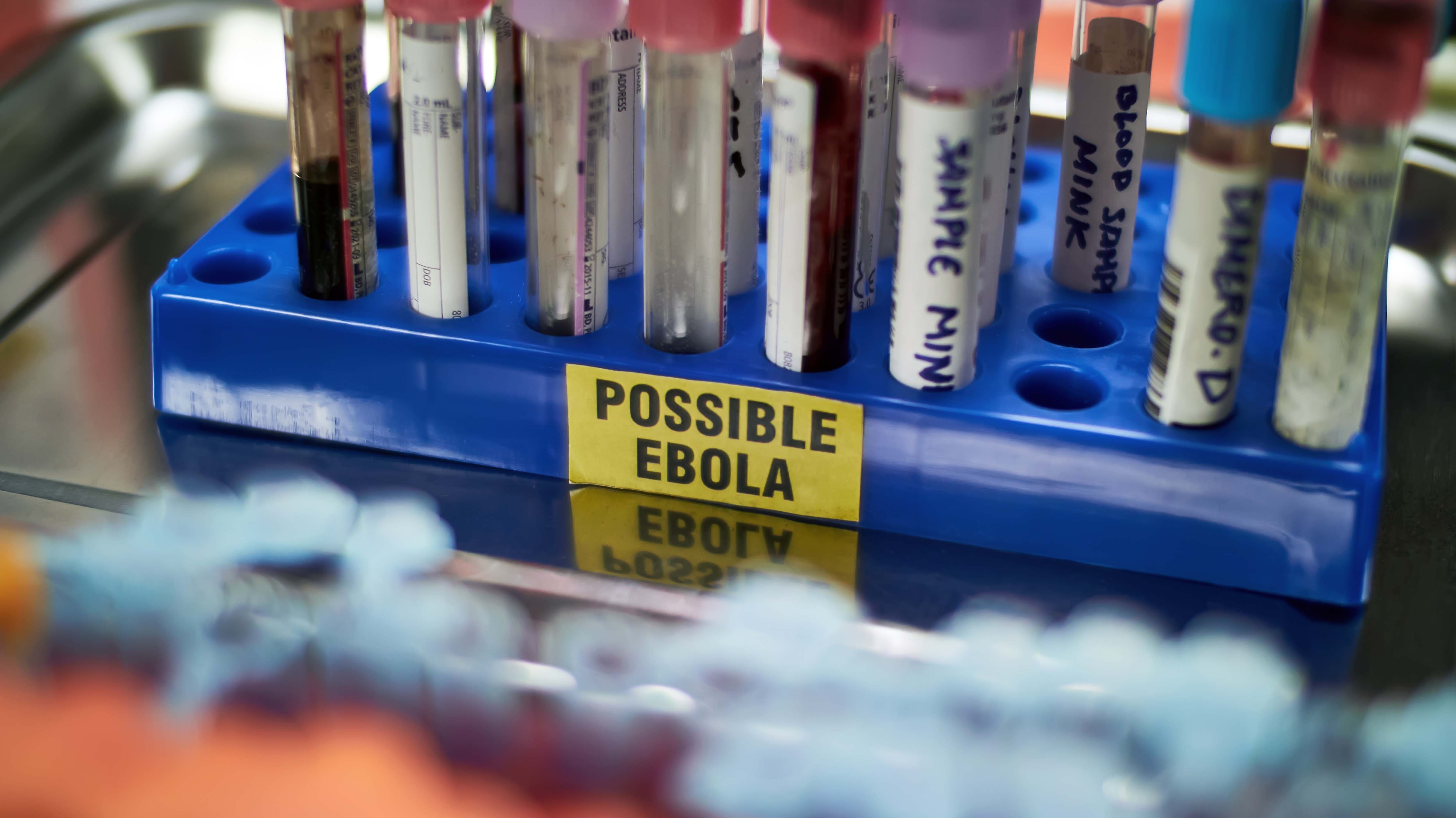
Blood samples from Ebola patient. (Getty Images stock photo)

Nigeria is confirming its first Ebola case as an outbreak continues to spread in the nearby Democratic Republic of the Congo (DRC).

According to Nigeria's Federal Ministry of Health and Social Welfare, the patient is a woman who arrived on an international flight from Uganda. She was admitted to a private hospital in the Federal Capital Territory, where the capital city of Abuja is located.

The woman received care for several days before a diagnosis was confirmed through laboratory testing on Tuesday. She is currently in isolation and receiving medical care, according to the ministry.

The ministry said that 44 close contacts of the patient have been identified and public health teams are working to identify and monitor people who may have been exposed, including healthcare workers, patients, caregivers and travel contacts.

"Surveillance has been intensified, and the hospital is receiving immediate support to strengthen infection prevention and control measures," the ministry said.

The patient was confirmed to have Ebola Bundibugyo virus disease, a rare variant of Ebola behind the current DRC outbreak. There are no vaccines nor treatments.

In a press release, the World Health Organization (WHO) said this makes Nigeria the fifth country to detect Ebola Bundibugyo virus since the DRC's outbreak began in May.

The WHO said Nigeria's Center for Disease Control and Prevention has activated its incident management system to coordinate a response, including identifying cases and follow-up of contacts.

In support, the WHO said it is working "closely with health authorities to strengthen control measures, including case investigation, contact tracing, infection prevention and control, and provision of essential supplies including personal protective equipment for health workers."

It comes as Kenya's Ministry of Health reported a new case of Ebola, bringing the total number of confirmed infections to nine.

All the cases appear to be linked to the original patient, a Kenyan man who had been living in the DRC and traveled to Nairobi. That man subsequently died on Oct. 5, according to authorities.

The ministry said that 134 of 135 contacts of the original patient have been traced and quarantined and the risk to the general public remains low.

Meanwhile, the nearby DRC continues to experience its worst Ebola outbreak on record. As of Oct. 18, 9,552 cases of Ebola and 4,550 deaths have been confirmed, according to the Congo Ministry of Health, with 937 patients in isolation or hospitalized.

The case fatality rate currently stands at 48.2% while contact tracing stands at 76.9%, an improvement from the earlier days of the outbreak.

Copyright © 2026, ABC Audio. All rights reserved.


Why MS can be hard to diagnose, after Christina Applegate reveals misdiagnosis

Five years after revealing she was diagnosed with the autoimmune disorder multiple sclerosis (MS), actress Christina Applegate has announced that she was misdiagnosed.

Speaking on Tuesday's episode of her MeSsy podcast, which she co-hosts with actress Jamie Lynn Sigler, Applegate said she wasn't happy to learn of the misdiagnosis, revealing that she has "gotten worse in some ways" and is "back at square one that I don't know what's going on with me."

Doctors say there's no single test that can diagnose MS. That determination depends upon multiple factors, including a patient's symptoms and various test results, all of which can change over time. Additionally, improper application of diagnostic criteria, and that fact that MS symptoms can resemble those of other conditions, can sometimes lead to misdiagnosis.

How is MS diagnosed?

"Unfortunately, there is no single diagnostic test for MS," Dr. Ilana Katz-Sand, associate director of the Corinne Goldsmith Dickinson Center for Multiple Sclerosis at Mount Sinai in New York, told ABC News. "Rather, an MS diagnosis is made by considering all available data and appropriately applying the diagnostic criteria."

She explained that clinicians look at a patient's health history, including a description of their symptoms, neurological exam results, and an MRI of the patient's brain and spinal cord.

Doctors will look for damage in the form of lesions in different areas of the central nervous system, according to the National Multiple Sclerosis Society (NMSS).

Sometimes, if additional data is needed, a doctor will recommend a lumbar puncture to check for the presence of certain proteins in cerebrospinal fluid.

"Other testing, such as examining the optic nerves and blood tests to appropriately rule out other conditions, may also be performed," Katz-Sand said.

When MS diagnostic criteria were first introduced, the average time to get an MS diagnosis was four years, the NMSS said. Then in 2024, MS diagnostic criteria were updated to help patients receive a diagnosis in days or weeks as opposed to months or years. The updates include new and enhanced tests for diagnosis, as well as specialized criteria for diagnosing children, those aged 50 and older, and those who also have other medical conditions, according to NMSS.

How common is MS misdiagnosis?

A 2024 systematic review and meta-analysis from researchers in the U.S., Sweden and Switzerland, published in the Multiple Sclerosis Journal, found that the frequency of misdiagnosis ranged from 5% to 41%, with a pooled proportion of 15% based on six studies.

Dr. Marwa Kaisey, a board-certified neurologist and associate professor of neurology at Cedars-Sinai Medical Center, said during Tuesday's MeSsy podcast episode that about 20% of patients diagnosed with MS don't have the condition.

"Almost one in five of these people who'd been told they had MS, some for decades, didn't actually have it, and a majority of them were on medication to treat their MS," she said.

Women were 2.1 times more likely to be misdiagnosed with MS compared to men, according to the 2024 review, with the time to rectify an MS misdiagnosis ranging from 0.3 years to 15.9 years from the initial diagnosis.

However, underdiagnosis was also common, according to the review, ranging from 3% to 58%, with a pooled proportion of 36% based upon four studies.

"In my experience, misdiagnosis most commonly occurs when the clinician has not considered a diagnostic 'red flag' carefully enough or has inappropriately applied the MS diagnostic criteria when a patient's history, exam or MRI findings are not typical for MS," Katz-Sand said.

Can MS symptoms resemble other conditions?

MS symptoms can sometimes "overlap" with those of other conditions, which can make diagnosis difficult or prolong it, according to Katz-Sand.

One example is optic neuritis, which is inflammation of the optic nerve that can interrupt electrical signals carrying visual information from the eye to the brain. Katz-Sand said this is a common MS symptom but it can also appear in other inflammatory conditions, such as neuromyelitis optica spectrum disorder, a rare autoimmune condition in which the immune system mistakenly attacks healthy cells and proteins, primarily targeting the optic nerves.

"Other symptoms that are common in MS, like fatigue and cognitive fogginess, are common in many other illnesses and are not specific to MS," Katz-Sand said. "The clinician will need to use clues from the way the symptoms present, the pattern of lesions on MRI, blood and spinal fluid testing and sometimes additional diagnostics to help differentiate MS from other conditions when it is not initially clear."

If someone learns that they have been misdiagnosed with MS, Katz-Sand said they should speak with their doctor to understand "why the clinician has changed their impression."

Next steps for patients may differ depending upon whether symptoms have changed or a new lab test result became available, she said.

Copyright © 2026, ABC Audio. All rights reserved.

What to know about changes to Medicare plans as open enrollment begins

An aerial of the Centers for Medicare & Medicaid Services building on March 19, 2025 in Woodlawn, Maryland. (Kayla Bartkowski/Getty Images)

Open enrollment for Medicare, the nationwide federal health insurance program primarily for those aged 65 and older, has started.

Many enrollees in privately run Medicare Advantage plans may need to find new plans as insurers scale back their offerings.

Additionally, costs may increase for prescription drugs after the Trump administration ended a temporary subsidy program.

Here's what you need to know about some of the biggest changes coming this year before open enrollment ends on Dec. 7.

Fewer Medicare Advantage options

During Medicare's open enrollment period, enrollees can choose between traditional Medicare and Medicare Advantage plans for the upcoming year.

As the Trump administration vows to lower drug prices for Americans, the Centers for Medicare & Medicaid Services contends that its 2027 prescription drug prices will remain stable and the average prescription drug premiums in Medicare Advantage are projected to plummet more than 30%. 

About 35 million people are enrolled in Medicare Advantage, a Medicare-approved plan run by private insurance companies. The plan must follow rules set by Medicare, such as limiting out-of-pocket expenses and covering all services covered by traditional Medicare.

A KFF analysis shows that the average Medicare beneficiary can choose from among 35 Medicare Advantage plans in 2027 compared to 39 plans in 2026.

This indicates that insurers are either scaling back or removing Medicare Advantage plans completely and many Medicare beneficiaries will need to find new plans for 2027.

A separate KFF analysis earlier this month found that some enrollees will be losing their Medicare Advantage prescription drug plans, which are offered at the county level.

About 1% of Medicare Advantage beneficiaries will have no prescription drug plan available during general enrollment, the analysis found. This includes beneficiaries in 193 counties, up from 123 counties in 2026.

Elimination of Part D subsidies

Earlier this year, the Trump administration announced it was ending a key temporary health insurance subsidy program aimed at capping prescription drug plan premiums for seniors.

Medicare Part D -- the government health insurance program's prescription drug benefit -- is used by tens of millions of older or disabled beneficiaries.

At the time, Dr. Mehmet Oz, administrator of the Centers for Medicare & Medicaid Services, claimed the program, known as the Part D Premium Stabilization Demonstration, benefited corporate insurance companies.

The program's subsidies are set to expire at the end of the year. That move will likely result in higher prescription costs and increase premiums for about half of recipients, an administration official told ABC News.

"Without these extra subsidies in place for 2027, some Part D stand-alone drug plan enrollees could face a larger premium increase for drug coverage next year than in recent years, though plan-specific premium amounts are not yet known," Juliette Cubanski, vice president and director of the program on Medicare policy at KFF, said in a statement.

A March 2026 report from the Medicare Payment Advisory Commission found subsidies provided under the program reduced the average monthly prescription drug plan premium by $26 in 2025 and $16 in 2026.

"The changes in the subsidies for Medicare Part D are pretty profound and are going to have a pretty big effect," Timothy McBride, the Bernard Becker Professor in the School of Public Health at Washington University in St. Louis and a health policy analyst, told ABC News.

In a post on X in July, Oz claimed that most Medicare recipients will not see their premiums go up by more than $10 and some may see even lower premiums.

"Every Medicare beneficiary still has access to low-cost plans, and we will continue to lower prescription drug prices for every American patient," Oz wrote.

Other changes coming to Part D include the cap on annual out-of-pocket expenses for Medicare Part D drugs. The standard deductible, for example, will increase from $615 to $700.

"I think people need to be paying attention to not just the premium, but also things like the deductible and the caps because that could significantly impact their out-of-pocket costs," McBride said.

ABC News' Arthur Jones II and Michelle Stoddart contributed to this report.

Copyright © 2026, ABC Audio. All rights reserved.

More than 4,400 measles cases reported in US as CDC plans to send 'disease detective' to Pennsylvania

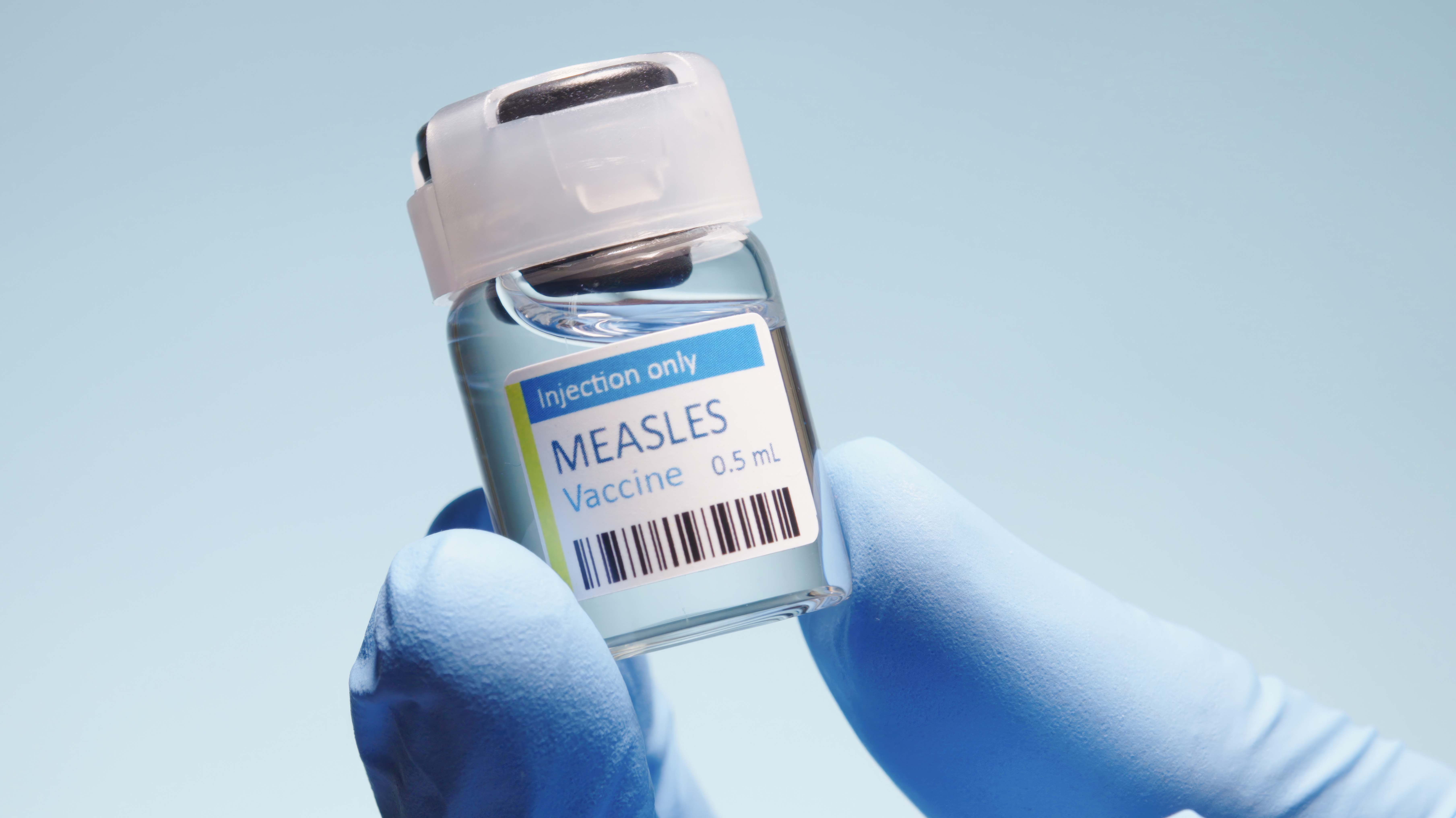
(Getty Images stock photo/DigitalVision)

More than 4,400 measles cases have been reported in the U.S., according to an update on Friday from the Centers for Disease Control and Prevention (CDC).

A total of 4,410 cases have been confirmed, with most reported by 45 states and Washington, D.C. Eighteen of this year's total have been among international visitors to the U.S., according to the CDC.

At least 1,200 of those cases have been reported in Pennsylvania alone by local health officials, as have six measles-related deaths.

It comes as the CDC is planning to send a "disease detective" to Pennsylvania in response to the outbreak. 

"Pennsylvania has formally requested CDC assistance through the Epi-Aid program. In response, CDC will support the state's identified needs and strengthen its response efforts on the ground," a CDC spokesperson told ABC News in a statement.

A CDC Epi-Aid is a rapid, short-term field investigation from the federal health agency of an "urgent public health problem." The Epi-Aid provides resources such as, but not limited to, increasing the workforce available for rapid response and building epidemiologic capacity, according to the CDC.

"CDC will continue working closely with Pennsylvania health officials to provide the expertise and support needed to respond to the outbreak and protect public health," the statement continued.

Fewer than 1% of the state's cases are among those who are fully vaccinated with the MMR vaccine, according to the Pennsylvania Department of Health.

This tracks with national trends. The CDC shared in it its update that about 96% of cases are among people who are unvaccinated or whose vaccination status is unknown, according to agency data.

Meanwhile, 2% of cases are among those who have received just one dose of the measles, mumps, rubella (MMR) vaccine and 2% of cases are among those who received the recommended two doses, according to the CDC.

The CDC currently recommends that people receive two doses of the MMR vaccine, the first at ages 12 to 15 months and the second between 4 and 6 years old. One dose is 93% effective, and two doses are 97% effective against measles, the CDC says.

However, CDC data shows vaccination rates have been lagging in recent years. During the 2025-26 school year, 92.4% of kindergartners received the MMR vaccine, according to data. This is lower than the 95.2% seen in the 2019-20 school year, prior to the COVID-19 pandemic.

The CDC said that Health Secretary Robert F. Kennedy Jr. and CDC Director Dr. Erica Schwartz "continue to recommend the MMR vaccine as the most effective way to prevent measles and protect against infection."

Kennedy was pressed about the spread of measles on Thursday during an unrelated news conference in Virginia discussing the healthcare workforce.

"[Pennsylvania officials] told us that they didn't want help from the Trump administration," Kennedy said as he was leaving. "The people of Pennsylvania suffered. Now they've asked us to come in and help them, and we're gonna do that, and I'm confident I will bring that outbreak to a quick close."

Kennedy also repeated his common refrain that the U.S. federal health agency is doing a better job than any country in the world in controlling the spread of measles. 

“The measles outbreak is occurring because so many people went unvaccinated during the COVID pandemic,” Kennedy told a reporter, who asked if the measles-associated deaths in Pennsylvania were acceptable, during the final moments of the press conference.

The Pennsylvania Department of Health did not immediately respond to ABC News' request for comment on Kennedy's remarks.

ABC News' Arthur Jones II contributed to this report.

Copyright © 2026, ABC Audio. All rights reserved.

2 West Nile virus deaths reported in North Carolina: Officials

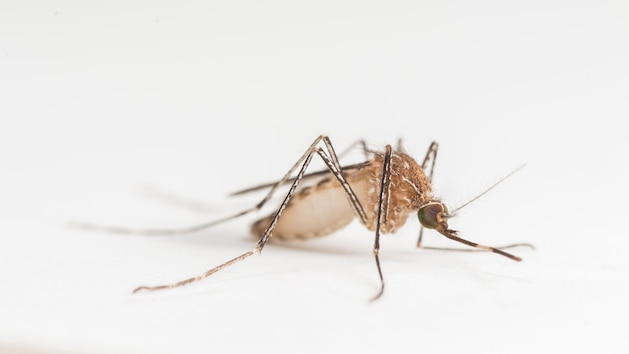
A female Culex tarsalis mosquito is shown in a close right anterior-oblique view, Aug, 28, 2017. (CDC/Smith Collection/Gado via Getty Images)

North Carolina health officials are warning that West Nile virus is spreading after two deaths were linked to the disease.

The two deaths were adults from central North Carolina, according to the state’s Department of Health and Human Services.

Currently, 2026 is on pace to be the second-highest year on record for West Nile virus cases, after 2024, according to local ABC News affiliate WTVD.

Transmission levels are higher because of warm weather lasting longer, continuing into mid-October.

"As long as the weather stays warm and what I mean by warm is over 50s during the day, then the mosquito that carries it will continue to bite," Michael Doyle, state public health entomologist with NCDHHS, told WTVD.

West Nile virus is the leading cause of mosquito-borne disease in the continental U.S., according to the Centers for Disease Control and Prevention.

Cases usually occur during mosquito season, which starts in the summer and continues through fall, according to the CDC.

Mosquitoes typically become infected with the virus after feeding on infected birds and then spread it to humans and other animals, the federal health agency said.

The majority of patients don't have symptoms, but about one in five will experience symptoms two to six days after being bitten, including fever, headaches, body aches, joint pain, diarrhea, vomiting or a rash.

Most symptoms disappear, but weakness and fatigue may last for weeks or months. No medications are available to treat West Nile. Those with mild illness can often manage symptoms with rest, staying hydrated and taking over-the-counter medications -- such as acetaminophen -- for fever, pain and headaches, according to the CDC.

About one in 150 patients will develop severe disease leading to encephalitis, which is inflammation of the brain, or meningitis, which is inflammation of the membranes that surround the brain and spinal cord -- both of which can lead to death, the CDC says.

Each year, about 2,000 people in the U.S. are diagnosed with West Nile virus, but the CDC says this is likely an underestimate because most people either don't develop symptoms or believe their mild symptoms were caused by another illness.

More than 1,300 people develop severe illness affecting the central nervous system, the CDC says.

There are no licensed vaccines or medications that protect against the virus. The CDC recommends using insect repellent, wearing long-sleeved shirts and pants, treating clothing and gear and taking steps to control mosquitoes. This last step includes putting screens on windows and doors, using air conditioning and emptying out containers with still water.

Copyright © 2026, ABC Audio. All rights reserved.

GLP-1s may help boost fertility outcomes for hopeful mothers, some women find

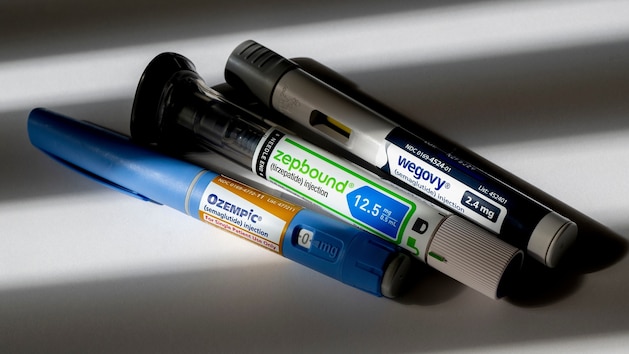
Weight loss injection pen medications. (Michael Siluk/UCG/Universal Images Group via Getty Images)

After years of fertility treatments to become pregnant with her first two children, 30-year-old Ashlee Amborn was shocked to learn she was pregnant with her third child just four months after her second was born. The solution, she said: a GLP-1. 

Amborn had struggled for years with several conditions that made it difficult to become pregnant, including polyendocrine metabolic ovarian syndrome (PMOS) (formerly known as polycystic ovarian syndrome), a single functioning fallopian tube instead of two, one half of a uterus and only two functioning ovaries, she told ABC News. 

When her PMOS symptoms flared up after her second child, including severe inflammation and hormone imbalance, Amborn said she felt she needed to take action. 

A medical professional recommended she take a GLP-1 to help with her PMOS symptoms, and after just one month of taking the medication, she was pregnant, she said.

"It was kind of these mixed emotions of, 'Holy cow, I'm pregnant,'" Amborn said. "I did this on my own without fertility treatment. All it took was a GLP-1. ... It was this kind of crazy feeling that I had had was, 'What is going on and how did this happen?'"

A recent review of this topic published in a South American medical journal suggests a possible link between GLP-1 usage and improved fertility outcomes in women with obesity and PMOS, especially those who are also taking an oral diabetes medication, metformin.

According to the authors, one possible explanation for this is improved insulin resistance from weight loss on GLP-1s, which is associated with potential reproductive health benefits, including improved ovulation rates and decreased likelihood of ovarian dysfunction.

Dr. Jacinta Anyaoku, a physician at Maven Clinic specializing in obesity and women's health in midlife, told ABC News that while there are no studies that make a direct correlation between ovulation rates and GLP-1 use, she has observed among her patients that it can help.

"When you lose weight, your inflammation goes down," Anyaoku said. "It actually can help with improving your rate of ovulation. Your egg quality could potentially improve if you have reduced inflammation, and so these are all potential effects that come with GLP-1 use."

However, GLP-1s are not routinely prescribed as standard of care for fertility treatments, and they are not meant to replace other fertility drugs, according to health experts.

"It is important to discontinue your GLP-1 prior to pregnancy," Anyaoku said. "The current recommendation is to stop taking your GLP-1 about two months prior to starting to try to conceive."

Karen Berger, a pharmacist at an independent pharmacy in New Jersey, told ABC News that "the prescribing information for GLP-1s recommends that patients discuss pregnancy plans with their healthcare provider and contact them right away if they become pregnant while using one of these medications."

Amborn said she was shocked when she got pregnant so easily after taking a GLP-1, as she was told by multiple doctors in the past that it would be very difficult to get pregnant at all, or maybe even impossible.

"When I got pregnant four months postpartum on a GLP-1 I said, 'Where has this been?'" Amborn said.

The American College of Obstetricians and Gynecologists warns against the use of GLP1s during pregnancy or breastfeeding. It recommends that once breastfeeding has ended, starting a GLP-1 may be considered for some women to support their overall health.

In general, the decision to start a GLP-1 should be part of an individualized plan that is made with a healthcare professional.

Copyright © 2026, ABC Audio. All rights reserved.


As measles continues to spread, health officials are seeing vaccine interest rise

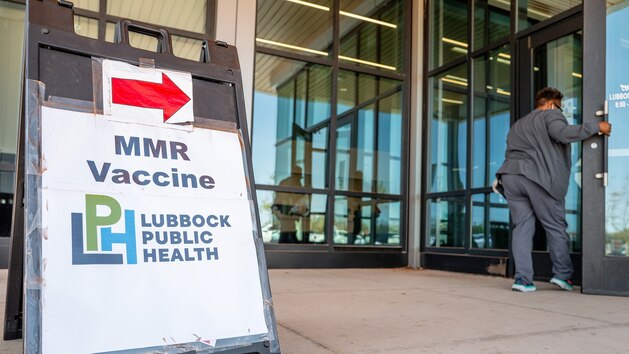
Instructions for a measles vaccination are seen outside of the Lubbock Public Health facility on April 9, 2025, in Lubbock, Texas. (Brandon Bell/Getty Images)

As measles continues to spread across the U.S., local health officials say it may be spurring some to get themselves or their children vaccinated.

More than 4,000 cases have been confirmed in the U.S. as well as six deaths -- with the most recent fatality confirmed by Pennsylvania health officials on Monday. It's the most cases and deaths reported in the country in more than three decades.

Doctors and public health department leaders told ABC News that awareness of the virus' dangers has led to higher interest in the measles, mumps, rubella (MMR) vaccine in some areas.

"We have seen increased interest in the MMR vaccine since the start of the outbreak," Lindsay Pringle, manager of community health and wellness at Penn Medicine Lancaster General Health, said. "Public awareness of measles and its potential complications have grown during this time, which may influence vaccination decisions."

Taking the vaccine to people's homes

Since an outbreak began in April, cases in Pennsylvania have surpassed 1,100 with more than 200 hospitalizations, according to the state health department.

Dr. Patrick Gavigan, a pediatric infectious disease physician at Penn State Health Golisano Children's Hospital in Dauphin County, which borders epicenter Lancaster County, said about 20 children have been admitted due to measles-related illness over the course of the year.

Gavigan said nearly every hospitalized patient had family members who either were currently sick or had been with a measles-like illnesses.

"We've had a number of different kinds of conversations with people about MMR vaccine," Gavigan said. "With patients, by the time we're seeing them with measles, for them the opportunity has passed and the ship has sailed" to get vaccinated.

In the last month-and-a-half, Gavigan said he has seen a few cases where a child was sick in the hospital with measles and it convinced family members living outside of the home, or other community members, to get vaccinated.

"Individuals are seeing cases of measles and, in these particular instances, seeing more severe cases of measles and recognizing how much a problem this can be," he said.

Local health officials have taken time to visit more rural communities and those lacking access to vaccination. As some community members have received the vaccine, it has spurred them to recommend the shot to their family, friends and neighbors.

Jeanne Franklin, public health director of the Chester County Health Department in Pennsylvania, told ABC News the most powerful form of communication is from individuals who have been vaccinated and spread the word.

"We have received calls from individuals who have a group of people interested in being vaccinated and request us to come to their home or place of business to provide the MMR vaccine," she said. "We average about 10 people per call but have vaccinated as many as 67 in one location. When at a home, we have vaccinated in kitchens, porches, living rooms, et cetera."

A 500% increase in vaccination

Since an outbreak began in June 2025, Utah has recorded 724 measles cases, according to the state's Department of Health & Human Services.

Unlike Pennsylvania's outbreak, or those that occurred in Texas and South Carolina -- all of which were largely contained to one region -- the virus has permeated unvaccinated and under-vaccinated communities in almost every county in Utah.

Kirk Benge, health officer and executive director of the TriCounty Health Department, told ABC News that local officials have been concerned about declining vaccination rates for years. The TriCounty region covers Daggett, Duchesne and Uintah counties in northeastern Utah.

In December 2024, the board issued a letter to the community stating that exemptions for childhood vaccinations among TriCounty kindergartners increased from 4.8% to 11.9% over a four-year period.

Data for the 2025-26 school year shows 16.1% of kindergartners in the TriCounty area were missing documentation for the MMR shot.

TriCounty has recorded 80 cases so far this year. Many of these cases occurred after people became infected at a youth wrestling tournament tin February and subsequently spread the virus in school and within their households.

"We did issue a local request to the school district to require students that were not vaccinated to stay home for several weeks and I think we saw the outbreak in our area subside relatively quickly compared to a lot of areas in the state," Benge said.

Benge said he saw an interest in the community among parents wanting to catch their child up on the MMR vaccine.

March 2026 saw a 500% increase in parents whose children received the MMR vaccine compared to March 2025, Benge said.

"What we saw was a huge influx of parents wanting to get their children caught up on vaccines so they could stay in school," he said.

Benge said a conscious effort was made to not stigmatize parents who had previously opted against vaccination.

He recalled one mother who reached out to the health department to ask about vaccination for her infant. She had older children who had never been vaccinated and indicated she had not worried about them contracting measles in the past.

When the mother learned how severe measles can be among infants, she reached out to the TriCounty Health Department and spoke with a nurse about how to best protect her infant.

"She indicated that initially she was nervous to call because she thought she might feel judged, but I do recall that she was very thankful at how considerate and kind our nurses were and that she did not feel judged for choosing not to vaccinate her kids in the past," Benge said.

Copyright © 2026, ABC Audio. All rights reserved.

Mini organs launching to space may help future astronauts and humans on Earth stay healthy

NASA.gov

Miniature organs being sent into space for the very first time may soon help scientists understand how spaceflight impacts certain organs and may accelerate aging.

In a joint effort by researchers from Mount Sinai, NASA and aerospace company Space Tango, these mini organs will be exposed to the increased radiation and microgravity astronauts face in space, especially on long-duration missions.

"If people are going to be living and working in space, then we need to understand what's going to happen to them," David Sachs, assistant professor of surgery at the Icahn School of Medicine at Mount Sinai, told ABC News. "But also, because it's interesting as a model of accelerated aging for studying people on Earth."

The mini organs launched aboard commercial resupply mission CRS-35 on Tuesday morning from Cape Canaveral Space Force Station in Florida. They are expected to arrive at the International Space Station (ISS) on Thursday.

Astronauts age faster in space because microgravity and radiation exposure negatively affect multiple body systems. 

The miniature organs offer researchers a unique opportunity to simulate aging in a much shorter period of time to understand disease and develop treatments.

"Six months in space ... is equivalent to about 10 to 20 years of aging on Earth," Kevin Costa, associate professor of surgery at the Icahn School of Medicine at Mount Sinai, told ABC News. 

Sachs and Costa are sending up to 16 miniature hearts to the ISS to test how they respond to electrical signals and monitor how they may react to near-zero gravity.

Mount Sinai's Cardiovascular Research Institute sent individual heart cells to the ISS in 2023, confirming they could survive in the weightless environment. 

The technology, which is integrated into a miniature laboratory called CubeLab, was developed by Space Tango and simulates the natural environment in the human body. 

"[It is] slightly bigger than a shoebox, and it is a fully automated, miniaturized system," Gentry Barnett, chief technology officer at Space Tango, told ABC News. 

As part of the new effort, the team is sending miniature brains, called miBrain, to the ISS. Around the size of a peppercorn, the miBrains reflect models of healthy and diseased brains. 

By exposing them to the space environment, scientists can see how mini-brains respond and better understand why living in space accelerates aging.

Though the mini organs are not full-sized human organs, the researchers say they are good substitutes, cost-effective and don't take up much of the limited space aboard the space station.     

They also believe discoveries made in space can translate to uses in everyday medical care. 

The microgravity environment uniquely allows researchers to study what happens to humans with a sedentary lifestyle or prolonged bed rest, which isn't easily simulated on Earth, Sachs explained. 

"[The research is] translating to stuff in space, but it's also translating back to the research we do in the laboratory to help people with Parkinson's and Alzheimer's disease," Joel Blanchard, associate professor of stem cell biology and regenerative medicine and neuroscience at the Icahn School of Medicine at Mount Sinai, told ABC News.

Lisa Carnell, the director of the biological and physical sciences division at NASA, told ABC News that these experiments serve as a starting point for future research beyond low Earth orbit, including to the moon and beyond.

"We sent Apollo astronauts out there over 50 years ago, but the techniques and the way that we can actually do assessments to understand what's happening has come a long way since then," Carnell said.

NASA plans to return astronauts to the moon's surface in 2028 and build a permanent base in the next decade. The agency and private space company SpaceX have also discussed sending humans to Mars in the not-so-distant future.

"We're making leaps, not incremental research, by taking biology to space, because you're seeing changes that you cannot see on the ground in ways you've never seen it before," Carnell added. 

Dr. Allen Chang is a geriatric medicine subspecialist at Dalhousie University and a member of the ABC News Medical Unit

Copyright © 2026, ABC Audio. All rights reserved.


US surpasses 4,000 measles cases with infections confirmed in 45 states: CDC

Signs point the way to measles testing in the parking lot of the Seminole Hospital District across from Wigwam Stadium on February 27, 2025 in Seminole, Texas. (Jan Sonnenmair/Getty Images)

Measles cases in the United States have surpassed 4,000 this year, according to data updated Friday from the Centers for Disease Control and Prevention (CDC).

A total of 4,080 cases have been confirmed, with most reported by 45 states and Washington, D.C. Eighteen of this year's total have been among international visitors to the U.S., according to the CDC.

Five measles-associated deaths have been confirmed so far in 2026, all of them in Pennsylvania, according to health officials in the state.

The CDC has only recognized two deaths so far this year, with the agency saying that "number is subject to change."

The majority of measles cases in 2026 have been confirmed among children and teenagers aged 19 and younger, according to the CDC. About one in 10 children under age 5 have been hospitalized, CDC data shows.

About 95% of cases are among people who are unvaccinated or whose vaccination status is unknown, according to agency data.

Meanwhile, 2% of cases are among those who have received just one dose of the measles, mumps, rubella (MMR) vaccine and 2% of cases are among those who received the recommended two doses, according to the CDC.

"It's very telling," Dr. Peter Chin-Hong, an infectious diseases specialist and associate dean for regional campuses at the University of California, San Francisco, told ABC News of the breakdown in cases by vaccination status. "It's not a surprise, but it's chilling in many ways."

According to Chin-Hong, the official total of confirmed cases likely does not reflect the full picture of measles in the U.S. He said it's probable that there are many families with measles cases who never got tested.

"The story's not been fully told yet," he said. "In other words, the official numbers are only part of the picture and the reason why I think so is because the number of deaths and hospitalizations suggests that there are many more people who are infected but unaccounted."

The CDC currently recommends that people receive two doses of the MMR vaccine, the first at ages 12 to 15 months and the second between 4 and 6 years old. One dose is 93% effective, and two doses are 97% effective against measles, the CDC says.

However, CDC data shows vaccination rates have been lagging in recent years. During the 2025-26 school year, 92.4% of kindergartners received the MMR vaccine, according to data. This is lower than the 95.2% seen in the 2019-20 school year, prior to the COVID-19 pandemic.

"Unlike many of the healthcare issues or diseases that affect so much of the population ... we have the tool," John Brownstein, an epidemiologist and chief innovation officer at Boston Children's Hospital and an ABC News contributor, said. "It's a vaccine that is incredibly effective and the goal is to close vaccination gaps."

He noted that authorities have a responsibility to offer straightforward advice to the public.

"We need federal leadership that is really clear on the need for vaccination. We need local communities that are providing clear guidance and education and support to make decisions," Brownstein said. "I think we need to have a very aligned view on ... the impact of measles when communities are under-vaccinated."

Some public health specialists previously told ABC News they believe the U.S. is on track to lose the elimination status it earned in 2000.

The specialists said there are several reasons for the U.S. breaking measles case records for the second year in a row, including declining vaccination rates, people not fearing the measles virus, a loss of trust in public health institutions and a perceived lack of clear guidance and communication from the nation's top public health officials.

"I think there's a very strong chance that we would lose our elimination status because we're seeing the signs that measles is becoming continuously established here in the U.S." Brownstein said. "For a country with resources and an ability to provide protection, it's really unfortunate that we're seeing these tides turn on this very preventable disease."

Copyright © 2026, ABC Audio. All rights reserved.


Send us a message

Click to begin recording

Weather

Recent Interviews

Grit's Veteran & Senior Resources

Grit's Veteran & Senior Resources - With our Big Deals for Heroes promotion presented by AEL, every purchase made on our Big Deals store now through November will help support local veteran organizations, just like GVSR! Jason with Grit's Veteran & Senior Resources came to the studio to talk about their non-profit and what they're all about. Tune in to hear it all!

Dia de los Muertos 2026

Dia de los Muertos 2026 - Marlen with the Abilene Zoo came to chat about their Dia de los Muertos event happening Sunday, Nov. 1st, and Monday, Nov. 2nd, from 6-9pm both nights! Tune in to hear everything we can look forward to!